

Cart is empty. Please go to your home page for listing it.
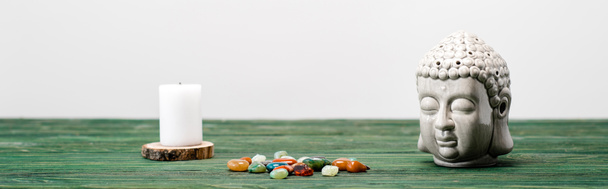

The world of crystals can feel exciting and overwhelming at the same time. There are hundreds of gemstones, each with its own colour, texture, origin and traditional symbolism. For a beginner, the best place to start is not by trying to memorise every meaning. It is by learning how to observe a stone, understand its practical use and build a simple relationship with it.
Crystals are commonly used in spiritual, meditation and personal wellness practices. Many people choose them as reminders of an intention, as tactile objects for mindfulness, as beautiful décor or simply because they appreciate the natural artistry of minerals. This guide explains how to choose your first crystals, use them in everyday routines and care for them responsibly.
Before selecting a crystal, think about why you want one. Are you looking for a meditation tool, a calming object for your desk, a meaningful gift, a bracelet to wear daily or a decorative piece for your home? Your purpose will help you choose the right shape as well as the right stone.
For example, a palm stone or worry stone is easy to hold during a stressful moment. A bracelet keeps the stone close throughout the day. A sphere, gemstone tree or geode works beautifully as décor. A pendulum or chakra set may be more suitable for established spiritual practices.
Clear Quartz is valued for its bright appearance and versatility. It is often chosen as a simple all-purpose crystal and is available in points, spheres, clusters, bracelets and tumble stones.
Amethyst is recognised by its purple colour and is popular for meditation spaces, bedside tables and jewellery. Rose Quartz has a soft pink tone and is frequently selected for gifts, self-care rituals and warm interior styling.
Tiger’s Eye has golden-brown bands and a bold polished finish. Black Tourmaline and Black Obsidian are popular dark stones for grounding-themed collections. Green Aventurine offers a fresh green colour, while Citrine adds warmth with golden-yellow tones. Labradorite is loved for its blue or green flash, which becomes visible as the stone moves under light.
The shape of a crystal affects how you experience and display it. Tumble stones are compact and affordable, making them excellent for beginners. Palm stones are smooth and comfortable to hold. Towers and obelisks create vertical visual impact and are popular for desks, altars and shelves.
Spheres reflect light from every direction and make strong centrepieces. Pyramids and geometry sets are often chosen for meditation rooms and spiritual displays. Bracelets and pendants are practical for people who prefer wearable gemstones. Raw clusters and geodes preserve more of the mineral’s natural structure and work especially well as statement décor.
A simple crystal practice does not need to be complicated. Begin by holding the stone and observing its temperature, weight, colour and texture. Take a few slow breaths and decide what the crystal will represent for you. It might be patience, focus, gratitude, confidence or rest.
You can place a crystal beside your journal, keep a palm stone near your workspace, wear a bracelet as a daily reminder or include a sphere or tower in a quiet corner of your home. The value of the practice comes from the attention and meaning you bring to it.
Crystals vary in hardness, porosity and chemical composition, so one cleaning method does not suit every stone. The safest general method is to wipe the surface gently with a soft, dry or slightly damp cloth. Avoid harsh chemicals, abrasive cleaners and prolonged soaking unless you know the stone is water-safe.
Soft or fibrous minerals such as Selenite should be kept dry. Metallic minerals such as Pyrite should also be protected from moisture. Some coloured stones may fade when left in strong sunlight for long periods. Store jewellery separately to reduce scratching, and handle pointed towers, geodes and thin agate slices with care.
Begin with three to five pieces that serve different purposes. You might choose one wearable item, one small tactile stone and one décor piece. Over time, notice which colours, textures and forms you naturally return to. A thoughtful collection is more meaningful than a large collection purchased without purpose.
When buying natural gemstones, remember that variation is normal. Small inclusions, colour differences and unique patterns are part of the material’s natural character. Ask for clear product information and choose sellers who explain whether an item is natural, treated, dyed, synthetic or composite where relevant.
Your first crystal collection should feel personal, practical and enjoyable. Choose stones that suit your taste, use them in ways that support mindful attention and care for them according to their material needs. Whether you are drawn to Amethyst, Clear Quartz, Rose Quartz, Tiger’s Eye or another gemstone, the best crystal is often the one you will genuinely use and appreciate.
Explore Arham Crystal’s handcrafted collection of palm stones, towers, bracelets, spheres, worry stones, pendulums and crystal décor to begin your journey.




0 COMMENTS